
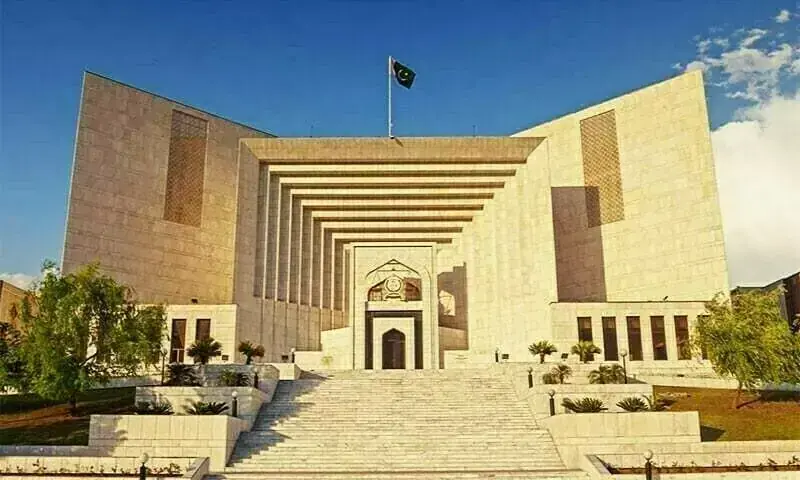
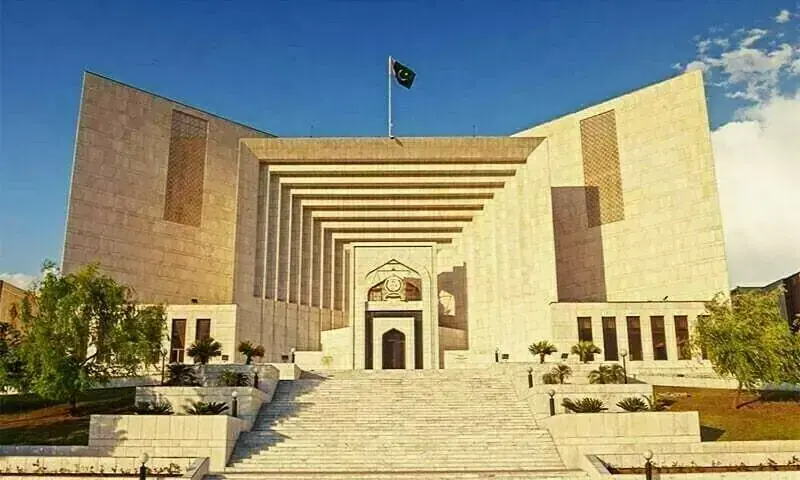
ISLAMABAD: The Registrar’s Office of the Supreme Court has allotted case numbers to the constitutional petitions, filed by five sitting judges of the Islamabad High Court, challenging the administrative decisions of Chief Justice Sardar Muhammad Sarfaraz Dogar.
Justices Mohsin Akhtar Kayani, Babar Sattar, Tariq Mehmood Jahangiri, Sardar Ejaz Ishaq Khan, and Saman Riffat Imtiaz had submitted separate constitutional petitions to the apex court contesting the “unilateral exercise” of administrative powers by the IHC chief justice.
The allocation of numbers by the Registrar’s Office marks a formal step in the judicial process, paving the way for the petitions to be placed before a bench for hearing.
In his plea, Justice Mohsin Akhtar Kayani described the petition as a “desperate measure of last resort”, stressing that while judges are not meant to become litigants, the circumstances had “compelled us to act in defence of the rule of law”.
The judges expressed concern that the chief justice had transformed his office into a “monocracy”.
The petitions urged the apex court to declare that the IHC chief justice cannot use his administrative authority to “override or undermine judicial powers” of other judges, including through selective constitution of benches, transfer of cases, or exclusion of judges from rosters.
They further sought to nullify the formation of administrative committees and adoption of the IHC Practice and Procedure Rules, arguing these were approved by an “illegally constituted” committee without full-court approval — in violation of Articles 192(1) and 202 of the Constitution.
The judges maintained that such concentration of authority contradicted the Supreme Court’s 2024 judgement, which had effectively set aside the “Master of the Roster” doctrine.
With the petitions now formally numbered by the IHC Registrar’s Office, legal observers say the development signifies a new phase in an unprecedented judicial standoff within the high court’s own ranks.
Published in Dawn, October 8th, 2025

