
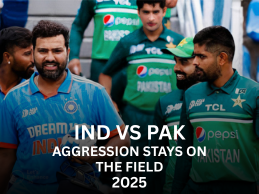
Ind vs Pak Aggression Field: Suryakumar & Agha’s
The India vs Pakistan cricket rivalry is more than just a game—it’s an emotion. Every encounter between these two cricketing giants is watched by millions around the globe, making it one of the most anticipated spectacles in sports. As the teams prepare to face off in the Asia Cup 2025, the focus has shifted to a topic that excites fans almost as much as the game itself:Ind vs Pak aggression on the field.
Ahead of the clash, Indian captain Suryakumar Yadav and Pakistan’s skipper Salman Agha made bold statements about the role of aggression in cricket. Their views highlight not only the fiery intensity of this rivalry but also the fine line between passion and sportsmanship.
Suryakumar Yadav: Aggression is Part of Cricket DNA
At the pre-match press conference, Suryakumar Yadav dismissed any notion that players should tone down their aggression. For him, intensity is an inseparable part of cricket—especially in high-stakes tournaments like the Asia Cup.
He stated clearly:
“Aggression is always there when we take the field. Without aggression, I don’t think you can play this sport.”
This comment reflects Yadav’s leadership style. Known for his fearless batting, he believes that aggression pushes players to perform at their peak, whether it’s a batter taking on bowlers or a fielder giving everything to stop runs.
Why Suryakumar’s Words Matter
- Sets the tone: His message signals to both teammates and fans that India is ready for a high-energy contest.
- No fear approach: Aggression, for Yadav, is not about sledging but about confidence, intensity, and self-belief.
- Maintaining balance: While encouraging aggression, he emphasized the importance of channeling it positively.
Salman Agha: Keep it on the Field
On the other side, Pakistan’s captain Salman Agha echoed similar sentiments, stressing that aggression is natural and even necessary in cricket. However, he added a key reminder:
“You don’t need to say anything to any player … as long as it stays on the ground.”
Agha’s statement highlights the value of controlled aggression. He recognizes that players, especially fast bowlers, thrive on adrenaline and passion. But he also wants to ensure that things don’t cross the line into personal or off-field tensions.
The Pakistani Perspective
- Harnessing fast-bowling energy: Pakistan has historically produced fiery pacers who thrive on aggression. Agha’s comments aim to motivate them without encouraging indiscipline.
- Respect and sportsmanship: His reminder ensures that rivalry does not overshadow the spirit of the game.
- Leadership with maturity: By balancing aggression with respect, Agha shows he is ready to guide his young squad on the biggest stage.
The Role of Aggression in India vs Pakistan Matches
When India and Pakistan clash, emotions are at their peak. Every run, every wicket, and every cheer from the crowd adds to the electric atmosphere. Aggression often becomes a natural byproduct of the occasion.
Why Aggression is Inevitable
- Historical Rivalry: Decades of competition make this one of the most intense rivalries in world cricket.
- Fan Expectations: Millions of fans want their teams to play with passion and intensity.
- High Stakes: Matches often decide tournament fates, so players can’t afford to hold back.
Positive vs Negative Aggression
- Positive Aggression: Diving stops, fearless batting, bowlers celebrating with energy.
- Negative Aggression: Personal sledging, verbal abuse, or actions that disrupt the spirit of cricket.
Both captains have made it clear they expect their teams to channel aggression in the positive form.
A Clash Beyond Cricket?
The significance of this match goes beyond cricketing tactics. With India and Pakistan sharing a complicated geopolitical history, every sporting encounter is viewed under a global spotlight.
However, both Yadav and Agha were quick to stress that cricket should remain a unifying force. By promoting aggression only within the boundaries of the game, they aim to keep politics and tensions off the field.
This message resonates strongly with fans worldwide who hope for a thrilling contest without unnecessary controversies.
Impact on Fans and Players
For the Players
- Aggression gives an edge, boosting confidence and mental strength.
- It encourages bold strategies, especially in T20 formats.
- But players must also remain disciplined to avoid penalties.
For the Fans
- Fans crave high-energy contests—aggression on the field adds to the drama.
- At the same time, respectful conduct ensures the rivalry stays entertaining rather than toxic.
FAQs
Q1: Why are Suryakumar and Agha supporting aggression?
Because they believe it fuels performance and energy. Cricket without intensity, especially in India vs Pakistan matches, feels incomplete.
Q2: Does aggression mean sledging?
Not necessarily. Both captains emphasized that aggression means energy, confidence, and passion—not disrespect.
Q3: Could aggression create fights on the field?
While there’s always a risk, both captains clarified that boundaries must be respected.
Q4: Is aggression more important in T20 cricket?
Yes, because T20 matches are fast-paced, requiring players to play with intensity from the first ball.
Q5: Who benefits more from Ind vs Pak aggression?
Both. India thrives on fearless batting, while Pakistan’s pace attack feeds on aggressive energy.
Conclusion
As Ind vs Pak aggression gear up for their Asia Cup clash, both captains’ message is crystal clear: aggression is welcome, but only on the field. Suryakumar Yadav and Salman Agha have set the stage for a battle that promises to be intense yet respectful.
In a rivalry often overshadowed by politics, this balanced stance reminds us of what truly matters—the spirit of cricket. Fans can now look forward to a contest full of passion, drama, and sportsmanship.
Related : Writozy

