


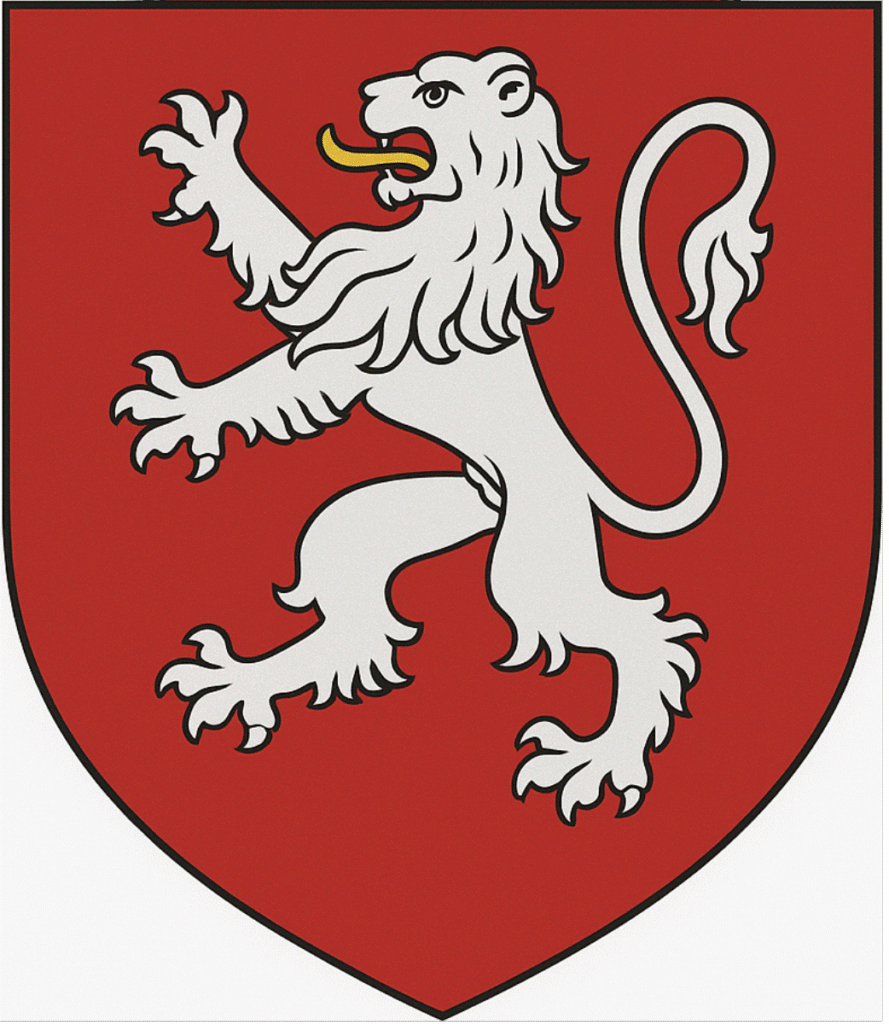
French noble family
The Chardonnay family, also Chardonnet and Chardonnay de Bicherel or Chardonnay de La Marne, is a lineage of the French nobility of ancient extraction,[1] with documented origins in Montfort-l’Amaury in Yvelines and Machecoul, in Brittany. According to family tradition, the Chardonnays claimed descent from the Counts of Montfort-l’Amaury.[2] The family’s nobility was confirmed by the royal council in 1668 and by the Chambre de la réformation de la noblesse de Bretagne in 1669.[3] The family’s principal estates included Bardelle, Tremblay, Bicherel, Le Vivier (Vicq), Vigny-en-Drouais, Fresnay-en-Retz, Machecoul, La Marne, and La Tamiserie. Elevated to a marquisate in the eighteenth century, its members figured as courtiers, military officers, émigrés during the Revolution, and later in nineteenth-century diplomacy. Members of the family held positions at the French royal court over a period of four centuries.
Origins (13th–14th centuries)
[edit]

The earliest known members of the family appear in records from the late 13th century:[4]
- Thomas du Chardonnet, écuyer, held land at Lieutel in Yvelines in 1279.
- Guillaume and Jean de Chardonnay are documented as landholders in 1317–1318.
- In 1378, Philippe and Robinet de Chardonnay are cited together in Montfort-l’Amaury.
- Robinet de Chardonnay, seigneur de Bardelle, appears in an act of acquisition dated 1381.[5]
Establishment under the Valois (15th century)
[edit]
By the early 15th century, Jean de Chardonnay le Chardin, l’Aîné was écuyer d’honneur to Louis, Duke of Orléans.[6] He held Bardelle and Tremblay and obtained letters patent from the Duke in 1403. His descendants maintained these lands, devoting their service to the Abbaye de Neauphle-le-Vieux and to the Counts of Montfort.[7]
Renaissance Period (16th century)
[edit]
The family consolidated its seigneurial presence during the 16th century:
- Bernard de Chardonnay, écuyer, seigneur de Bardelle and Chardonnais, is frequently cited between 1533 and 1552.
- His brother Philippe de Chardonnay, seigneur de Bicherel, was appointed échanson (cupbearer) of the Dauphin in 1546.
- Their status is attested by the inscription on a church bell in Vicq (1550), naming Bernard and Philippe as patrons.[8]
Marriages linked the family to other local noble houses, including Chartres, Jouan, and La Rochette.
Seventeenth Century
[edit]

In the early 1600s, Jérôme (Hiérosme) de Chardonnay, lieutenant of gendarmes, became seigneur de Bicherel through his marriage with Gillette de Pomereu. His son, Jérôme II (Guillaume) de Chardonnay, sergeant major in the army, received his confirmation of nobility in 1669 at Rennes.[9]
In parallel, François I de Chardonnay (1633–1704), seigneur de Bardelle, Vigny, and Neuville, served as captain of grenadiers and captain in the Guards of the Duke of Orléans. In 1668, François and his cousin Louis made proofs of nobility as required at the time, and were confirmed as nobles and écuyers by the King and his Council.[10]
Several members distinguished themselves militarily and at court:
- Claude de Chardonnay (1671–1722),[11] seigneur de La Marne, registered his arms in 1697.

- His son René de Chardonnay de Bicherel (1718–1765) was a page of the Grande Écurie du Roi.
- René-Marie de Chardonnay de Bicherel, 1st Marquis de Chardonnay (1746–1800), was officer in the Royal Dragons, and émigré during the French Revolution, settling in Jersey.[12]
The Île-de-France branch extinguished in the 18th century after Charles-Pierre de Chardonnay (1752–1782) sold Bardelle and related estates.
The family suffered significant losses during the Revolution. Their estates, including La Marne, La Tamiserie, and Paulx, were seized. Marie-Marthe de Chardonnay (1724–1803),[13] widow of Honoré Pitard du Landas, attempted to preserve remnants of the patrimony. Her son, Honoré (II) perished in the Vendée uprising of 1793.

Other members emigrated: some to England and also to Saint-Domingue, reflecting the fate of many noble families of the period.
Marquesses de Chardonnay
[edit]
The marquisate of Chardonnay was borne by the senior line of the house of Chardonnay de La Marne following the proofs of nobility of René-Marie de Chardonnay de La Marne in 1762.[14][15] The title continued to be used during the Revolution and into the nineteenth century, featuring in French diplomatic correspondence throughout the First Empire and the Restoration period,[16] as well as contemporary British and Portuguese society circles.[17]
- René-Marie de Chardonnay de La Marne, 1st Marquis de Chardonnay (1746 – 23 September 1800). Seigneur of La Marne, Corsept, and La Malonnière; officer in the Royal Dragons; émigré to Jersey. Married (1768) Olive-Clémence Élisabeth de Bellabre (1748–1816), dame de Corsept.

- Marie-Jean Baptiste Benoît de Chardonnay alias de Montfort, 2nd Marquis de Chardonnay (27 July 1784 – 18 April 1839). Married (1814, London) D. Joana de Lima Barreto Coelho, daughter of José de Oliveira Barreto ComC and D. Maria de Lima Barreto Coelho, heiress to estates in Mide (Lordelo, Guimarães) and Lamego. Early in life, he served as an officer during the Peninsular War, and later maintained extensive correspondence with leading figures of his time. He was buried at St Mary Moorfields in London. After his death, the family retired to the Portuguese properties. His will, preserved in the Public Record Office, left his estate—composed largely of bonds issued by N. M. Rothschild—to his surviving children:[18]
- Joseph-Denis de Chardonnay (baptised London, 1815), predeceased his father and is not mentioned in the will.
- Jeanne-Marie de Chardonnay
- Angélic-Mary-Charlotte-Élisabette-Olive de Chardonnay – not mentioned in her father’s will; heiress of one third of her mother’s estate, per her testament preserved in the Torre do Tombo.[19] Married Manuel Gomes da Fonseca Sobrinho; issue included D. Maria Angélica de Chardonnay Gomes da Fonseca, who married José Godinho de Sousa Matos, with issue.[20]
- Constant-Flore-Marie-Robert de Chardonnay, 3rd Marquis de Chardonnay (b. London, 1819).[17]
- Marie-Célestine de Chardonnay
- Marie-Louise-Émilie de Chardonnay
|
Chardonnay family |
|||||||||||||||||||||||||||||||||||||||||||||||||||||||||||||||||||||||||||||||||||||||||||||||||||||||||||||||||||||||||||||||||||||||||||||||||||||||||||||||||||||||||||||||||||||||||||||||||||||||||||||||||||||||||||||||||||||||||||||||||||||||||||||||||||||||||||||||||||||||||||||||||||||||||||||||||||||||||||||||||||||||||||||||||||||||||||||||||||||||||||||||||||||||||||||||||||||||||||||||||||||||||||||||||||||||||||||||||||||||||||||||||||||||||||||||||||||||||||||||||||||||||||||||||||||||||||||||||||||||||||||||||||||||||||||||||||||||||||||||||||||||||||||||||||||||||||||||||||||||||||||||||||||||||||||||||||||||||||||||||||||||||||||||||||||||||||||||||||||||||||||||||||||||||||||||||||||||||||||||||||||||||||||||||||||||||||||||||||||||||||||||||||||||||||||||||||||||||||||||||||||||||||||||||||||||||||||||||||||||||||||||||||||||||||||||||||||||||||||||||||||||||||||||||||||||||||||||||||||||||||
|---|---|---|---|---|---|---|---|---|---|---|---|---|---|---|---|---|---|---|---|---|---|---|---|---|---|---|---|---|---|---|---|---|---|---|---|---|---|---|---|---|---|---|---|---|---|---|---|---|---|---|---|---|---|---|---|---|---|---|---|---|---|---|---|---|---|---|---|---|---|---|---|---|---|---|---|---|---|---|---|---|---|---|---|---|---|---|---|---|---|---|---|---|---|---|---|---|---|---|---|---|---|---|---|---|---|---|---|---|---|---|---|---|---|---|---|---|---|---|---|---|---|---|---|---|---|---|---|---|---|---|---|---|---|---|---|---|---|---|---|---|---|---|---|---|---|---|---|---|---|---|---|---|---|---|---|---|---|---|---|---|---|---|---|---|---|---|---|---|---|---|---|---|---|---|---|---|---|---|---|---|---|---|---|---|---|---|---|---|---|---|---|---|---|---|---|---|---|---|---|---|---|---|---|---|---|---|---|---|---|---|---|---|---|---|---|---|---|---|---|---|---|---|---|---|---|---|---|---|---|---|---|---|---|---|---|---|---|---|---|---|---|---|---|---|---|---|---|---|---|---|---|---|---|---|---|---|---|---|---|---|---|---|---|---|---|---|---|---|---|---|---|---|---|---|---|---|---|---|---|---|---|---|---|---|---|---|---|---|---|---|---|---|---|---|---|---|---|---|---|---|---|---|---|---|---|---|---|---|---|---|---|---|---|---|---|---|---|---|---|---|---|---|---|---|---|---|---|---|---|---|---|---|---|---|---|---|---|---|---|---|---|---|---|---|---|---|---|---|---|---|---|---|---|---|---|---|---|---|---|---|---|---|---|---|---|---|---|---|---|---|---|---|---|---|---|---|---|---|---|---|---|---|---|---|---|---|---|---|---|---|---|---|---|---|---|---|---|---|---|---|---|---|---|---|---|---|---|---|---|---|---|---|---|---|---|---|---|---|---|---|---|---|---|---|---|---|---|---|---|---|---|---|---|---|---|---|---|---|---|---|---|---|---|---|---|---|---|---|---|---|---|---|---|---|---|---|---|---|---|---|---|---|---|---|---|---|---|---|---|---|---|---|---|---|---|---|---|---|---|---|---|---|---|---|---|---|---|---|---|---|---|---|---|---|---|---|---|---|---|---|---|---|---|---|---|---|---|---|---|---|---|---|---|---|---|---|---|---|---|---|---|---|---|---|---|---|---|---|---|---|---|---|---|---|---|---|---|---|---|---|---|---|---|---|---|---|---|---|---|---|---|---|---|---|---|---|---|---|---|---|---|---|---|---|---|---|---|---|---|---|---|---|---|---|---|---|---|---|---|---|---|---|---|---|---|---|---|---|---|---|---|---|---|---|---|---|---|---|---|---|---|---|---|---|---|---|---|---|---|---|---|---|---|---|---|---|---|---|---|---|---|---|---|---|---|---|---|---|---|---|---|---|---|---|---|---|---|---|---|---|---|---|---|---|---|---|---|---|---|---|---|---|---|---|---|---|---|---|---|---|---|---|---|---|---|---|---|---|---|---|---|---|---|---|---|---|---|---|---|---|---|---|---|---|---|---|---|---|---|---|---|---|---|---|---|---|---|---|---|---|---|---|---|---|---|---|---|---|---|---|---|---|---|---|---|---|---|---|---|---|---|---|---|---|---|---|---|---|---|---|---|---|---|---|---|---|---|---|---|---|---|---|---|---|---|---|---|---|---|---|---|---|---|---|---|---|---|---|---|---|---|---|---|---|---|---|---|---|---|---|---|---|---|---|---|---|---|---|---|---|---|---|---|---|---|---|---|---|---|---|---|---|---|---|---|---|---|---|---|---|---|---|---|---|---|---|---|---|---|---|---|---|---|---|---|---|---|---|---|---|---|---|---|---|---|---|---|---|---|---|---|---|---|---|---|---|---|---|---|---|---|---|---|---|---|---|---|---|---|---|---|---|---|---|---|---|---|---|---|---|---|---|---|---|---|---|---|---|---|---|---|---|---|---|---|---|---|---|---|---|---|---|---|---|---|---|---|---|---|---|---|---|---|---|---|---|---|---|---|---|---|---|---|---|---|---|---|---|---|---|---|---|---|---|---|---|---|---|---|---|---|---|---|
|
|||||||||||||||||||||||||||||||||||||||||||||||||||||||||||||||||||||||||||||||||||||||||||||||||||||||||||||||||||||||||||||||||||||||||||||||||||||||||||||||||||||||||||||||||||||||||||||||||||||||||||||||||||||||||||||||||||||||||||||||||||||||||||||||||||||||||||||||||||||||||||||||||||||||||||||||||||||||||||||||||||||||||||||||||||||||||||||||||||||||||||||||||||||||||||||||||||||||||||||||||||||||||||||||||||||||||||||||||||||||||||||||||||||||||||||||||||||||||||||||||||||||||||||||||||||||||||||||||||||||||||||||||||||||||||||||||||||||||||||||||||||||||||||||||||||||||||||||||||||||||||||||||||||||||||||||||||||||||||||||||||||||||||||||||||||||||||||||||||||||||||||||||||||||||||||||||||||||||||||||||||||||||||||||||||||||||||||||||||||||||||||||||||||||||||||||||||||||||||||||||||||||||||||||||||||||||||||||||||||||||||||||||||||||||||||||||||||||||||||||||||||||||||||||||||||||||||||||||||||||||||
- Chaix d’Est-Ange, Gustave. Dictionnaire des familles françaises anciennes ou notables à la fin du XIXe siècle. Paris: Imprimerie Charles Hérissey, 1911, tome X.
- Jougla de Morenas, Henri; de Warren, Raoul. Grand Armorial de France, Tome II. Paris: 1948.
- Pattou, Étienne. Maison de Chardonnay, dite de Bicherel (alias Chardonnais, Chardonnet, Chardonné). Racines et Histoire. Updated 8 April 2024.
- Brame, Henri. “Historique de l’Abbaye de Saint-Pierre de Neauphle-le-Vieux.” Revue Mabillon, 2e série, n°46 (avril–juin 1936).
- Archives Nationales (Paris), fonds divers: Lettres de rémission, hommages, et actes concernant les seigneurs de Bardelle et de Bicherel (14th–18th c.).
- Biblioteca Nacional de Portugal, Secção Reservados, Col. Jorge de Moser: Apontamentos Genealógicos e Heráldicos, tomo V, 1ª série, pp. 183–184; tomo III, 2ª série, p. 242.
- Instituto dos Arquivos Nacionais / Torre do Tombo (Lisbon), A.H. Ministério das Finanças, Testamentos, Livro 27, 2º Bairro de Lisboa, XV-R-74, fl. 70. Testament of Joanna de Lima-Barreto-Coelho, widow of the 2nd Marquis de Chardonnay.
- Pins, Jean de. Sentiment et diplomatie au début du XIXe siècle. Paris: Fondation Calouste Gulbenkian, 1984, pp. 360–364, 508–509, 520–521.
- The Gentleman’s Magazine, Vol. 11 (new series), Jan–Jun 1839, p. 552, col. 2.
- Brame, Henri. “Historique de l’Abbaye de Saint-Pierre de Neauphle-le-Vieux.” Revue Mabillon, 2e série, n°46 (1936).
- Chaix d’Est-Ange, Gustave. Dictionnaire des familles françaises anciennes ou notables à la fin du XIXe siècle. Paris: Imprimerie Charles Hérissey, 1911.
- Jougla de Morenas, Henri; de Warren, Raoul. Grand Armorial de France. Tome II. Paris: 1948.
- Le Chevalier de Beauregard. Nobiliaire de Bretagne. Paris: I. Bouchard-Huzard, 1840.
- Pattou, Étienne. Maison de Chardonnay, dite de Bicherel (alias Chardonnais, Chardonnet, Chardonné). Racines et Histoire. Updated 8 April 2024.
- Pins, Jean de. Sentiment et diplomatie au début du XIXe siècle. Paris: Fondation Calouste Gulbenkian, 1984.
- The Gentleman’s Magazine, Vol. 11 (new series), Jan–Jun 1839.
- Biblioteca Nacional de Portugal, Col. Jorge de Moser: Apontamentos Genealógicos et Heráldicos, tomes V & III.
- Instituto dos Arquivos Nacionais / Torre do Tombo (Lisbon), A.H. Ministério das Finanças, Testamentos, Livro 27.
- Archives Nationales (Paris), Fonds divers, XIVe–XVIIIe siècles.
- ^ Le Chevalier de Beauregard (1840). Nobiliaire de Bretagne (in French). I. Bouchard-Huzard. p. 97.
- ^ Chaix d’Est-Ange (1911). Dictionnaire des familles françaises anciennes ou notables à la fin du XIXe siècle, Tome X [Dictionary of Ancient French Families, Volume X] (in French). Imprimerie Charles Hérissey. p. 12.
- ^ Pattou, Étienne (8 April 2024). “Maison de Chardonnay, dite de Bicherel (alias Chardonnais, Chardonnet, Chardonné)” (PDF). Racines et Histoire.
- ^ Chaix d’Est-Ange, op. cit., 12–14
- ^ Pattou, op. cit.
- ^ Chaix d’Est-Ange, op. cit., 12–13
- ^ Brame, Henri. “Historique de l’Abbaye de Saint-Pierre de Neauphle-le-Vieux.” Revue Mabillon, 2e série, n°46 (avril–juin 1936).
- ^ Pattou, op. cit.
- ^ Pattou, op. cit.
- ^ Pattou, op. cit.
- ^ Decloitre, André. “Claude de Chardonnay, Seigneur de La Marne”. Geneanet. Retrieved 11 September 2025.
- ^ Archives Nationales (Paris), fonds divers.
- ^ Pattou, op. cit.
- ^ Preuves de la noblesse de René-Marie de Chardonnay de La Marne. Bibliothèque nationale de France, Département des Manuscrits, Français 31316: Nouveau d’Hozier, 91. 28 May 1762. Retrieved 19 September 2025.
{{cite book}}: CS1 maint: location (link) - ^ Bluche, François (1957). Les Honneurs de la cour, II (in French). Paris: Cahiers nobles, 11.
- ^ Pins, Jean de (1984). Sentiment et diplomatie au début du XIXe siècle (in French). Paris: Fondation Calouste Gulbenkian. pp. 360–364, 508–509, 520–521.
- ^ a b “Obituary”. The Gentleman’s Magazine. Internet Archive: William Pickering, John Bowyer and Son. January–June 1839. Retrieved 11 September 2025.
- ^ Will of Marie Jean Baptiste Benoit de Chardonnay, Marquis de Chardonnay. Prerogative Court of Canterbury Wills. Vol. Prob 11/1909. Kew: The National Archives (UK). 1839. p. 132.
- ^ Testamento de D. Joana de Lima Barreto Coelho, viúva do 2.º Marquês de Chardonnay. A.H. Ministério das Finanças, Testamentos. Vol. Livro 27, 2.º Bairro de Lisboa, XV-R-74. Instituto dos Arquivos Nacionais / Torre do Tombo. p. fl. 70.
- ^ “Ainda a Capela de Santo António” [Still the Chapel of St Anthony]. O Concelho de Poiares, Ano VI, no. 280 (in Portuguese). 4. 11 September 1954.
{{cite news}}: CS1 maint: location (link)



