


• UK-based firm projects 3pc fall in national gas demand during 2025-40
• Urges reforms as circular debt rises due to price distortions, market imbalances
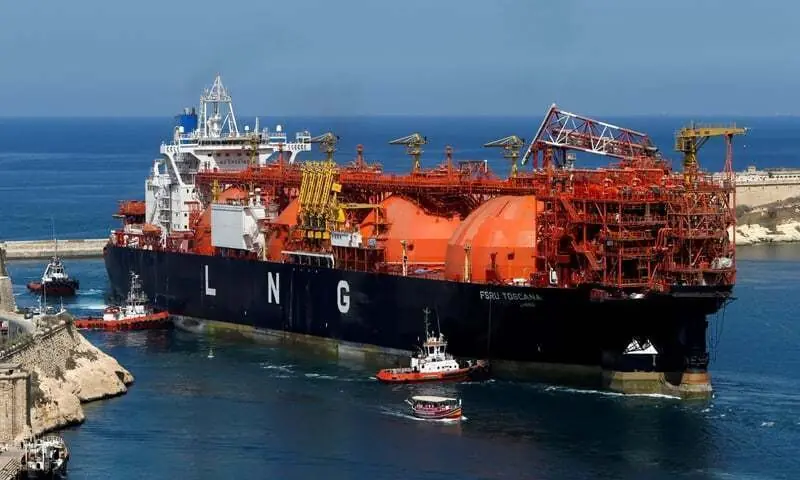
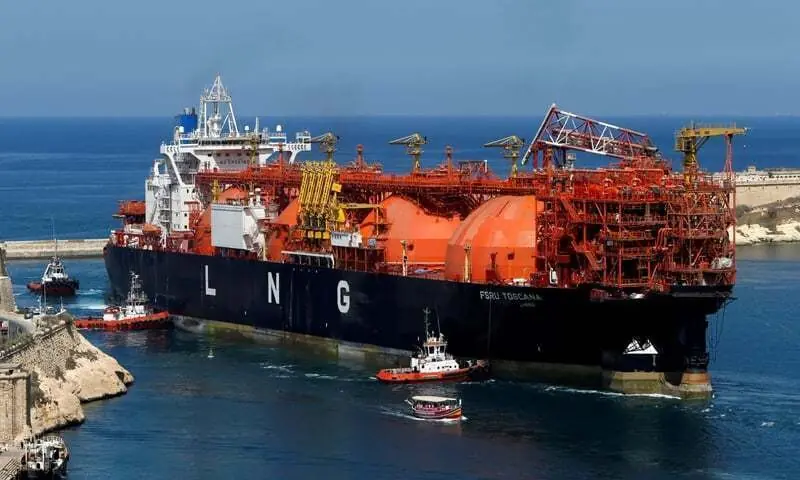
ISLAMABAD: Despite population projections of 325 million over the next 15 years and rising overall energy needs, Pakistan may have to put off gas import options owing to declining demand until 2040 and the surplus of liquefied natural gas (LNG) going beyond 2031.
Sources told Dawn that an “all-of-government” approach is under consideration to slow-pedal both pipeline imports — from Turkmenistan and Iran — and readjust LNG supply schedules, while pushing through structural reforms to underpin sustainable growth.
The rethink follows a study by UK-based consultancy Wood Mackenzie, which projects a three per cent decline in national gas demand during 2025-40 under a business-as-usual scenario, even as total gas availability — including take-or-pay LNG — rises into the early 2030s.
The total gas supply, including that of LNG contracts, has been estimated to peak at five million cubic feet per day (mmcfd) by 2031 from around 3.8mmcfd today, up 31pc.
Demand, on the other hand, is projected to decline by 3.8pc by 2031 and 2.5pc in the subsequent nine years, with a cumulative average of 3pc between now and 2040. This takes into account more than a 12pc fall in the power sector’s gas needs and 2.8pc and 4pc growth in industrial and domestic needs, according to the study reviewed by Dawn.
“A clear pathway to address the structural market issues and towards greater market liberalisation is required as circular debt continues to escalate due to price distortions, inefficient resource allocation and market imbalances,” suggested the consulting firm, pointing out that addressing the root cause of the problem was to fix structural issues that have contributed to the issue of circular debt and to evolve the sector to Pakistan’s needs.
The reform areas would include constraints to investments for fresh exploration and production, weighted average costing of all gas sources, power sector gas offtake issues, forced curtailment of domestic fields, runaway gas losses, limited gas storage and increasing solarisation.
One of the key takeaways from the study is that Pakistan will not require as much LNG as originally anticipated, even in the near to mid-term, hence the need to develop an LNG import strategy to determine measures to deal with existing contractual arrangements, “assessing all options on the table”.
The low demand and higher import contracts are already taking a heavy toll on exploration and development activities in the country, with long-term adverse consequences — gas import costs in any shape are more than double the local production.
On the other hand, the report anticipated a new wave of LNG supply, indicating pricing cuts as the US and Qatar account for more than half of global LNG supply over the next decade, but Pakistan hardly benefits.
“The new wave of LNG supply will start putting pressure on prices from 2026, with the expectation of long-term prices being set by marginal US LNG cargoes,” it said. Simultaneously, LNG demand will be rising by 3pc over the 2025-40 period from over 400 million tonnes per annum to 675 mpta, mainly due to LNG demand growth in the Asia Pacific.
At present, fossil fuels account for about 88pc of total end-use consumption in Pakistan, of which gas and oil account for around 42pc and 29pc, respectively.
By 2040, while still dominant, consumption of fossil fuels is estimated to decline to about 84pc, with gas share coming down to 30pc and share of oil going up to 34pc, mainly owing to growing demand in the transportation sector.
Primary energy demand is expected to grow from about 88 million tonnes of oil equivalent now to over 99 million tonnes by 2030.
The power sector remains the key problem. Pakistan is going through a paradigm shift, both in terms of a reduction in demand (especially power and captive power plants) and the premise of greater availability of domestic supply.
“Full alignment and commitment of the plan for gas offtake from the power sector is crucial as it will shape how Pakistan’s overall gas demand will evolve,” the report said, but warned that challenges of the exploration and production sector will need to be addressed to realise forecasted supplies, as the LNG glut has forced closure of local gas fields.
It noted that while the country had made progress towards macroeconomic stabilisation, further reforms were required to sustain economic growth as the population was expected to reach 325 million by 2040, at a steady growth of 2pc and a young demographic, maintaining its position among the top five most populous countries.
Between 2025-40, economic activity is expected to grow with a long-term GDP compound annual growth rate of 3.7pc. Economic activity is expected to continue recovering, as the economy benefits from the availability of imported inputs, easing domestic supply chain disruptions and lower inflation,” it said.
The study forecast the industrial production achieving an annual growth rate of 4pc over the next 15 years. It also noted that while Pakistan’s growing population offered potential demographic dividend, the country faced significant challenges in harnessing this potential due to existing resource constraints, infrastructure deficits and employment issues. The population growth will nevertheless increase energy demand in residential sectors for heating and cooking and power generation to meet rising electricity needs and transportation.
Published in Dawn, October 27th, 2025



