
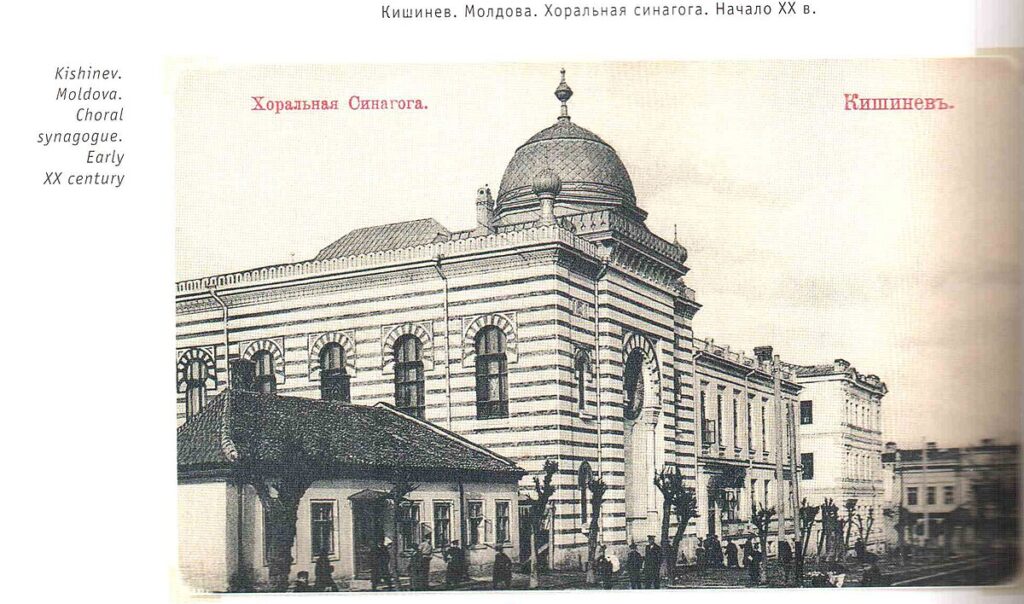
From 1941 to 1942, 120,000 Jews from Bessarabia, all of Bukovina, and the Dorohoi county in Romania proper, were deported by the Romanian authorities to ghettos and concentration camps in [[Transnistria (World War II)|Transnistria]], with only a small portion returning in 1944. The number of Jewish deportees to Transnistria sent there in 1941 who reached the latter province included 110,033 people, including 55,867 from Bessarabia, 43,798 from Bukovina, 10,368 from Dorohoi; out of these, 50,741 still survived by September 1, 1943.<ref>See Radu Ioanid, ”The Holocaust in Romania: The Destruction of the Jews and Gypsies Under the Antonescu Regime” (Chicago: Ivan R. Dee, 2000), p. 174.</ref><ref>Excerpts from the (Romanian) Ministry of Internal Affairs document (“Referat”) that provide these numbers may be found in Centrul Pentru Studiul Istoriei Evrilor din Romania (“The Centre for the Study of the History of Romanian Jewry), ”Martiriul Evreilor din Romania, 1940-1944, Documente si Marturii” (“The Martyrdom of the Jews in Romania, 1940-1944: Documents and Testimonies”), with a foreword by Dr. Moses Rosen (Bucuresti: Editura Hasefer, 1991), p. 231-232.</ref> A further 4,000 Chernivtsi Jews were deported to Transnistria in June 1942.<ref>Bukovina”, at Shoah Resource Center of Yad Vashem in Israel, at https://wwv.yadvashem.org/odot_pdf/Microsoft%20Word%20-%206091.pdf {{Bare URL PDF|date=July 2025}}</ref> According to the Romanian gendarmerie, on September 1, 1943, 50,741 Jewish deportees survived in Transnistria, including 36,761 from Bukovina, including Dorohoi County (historically a part of the Old Kingdom of Romania, but administratively a part of Bukovina at that time), and 13,980 from Bessarabia.<ref>See Radu Ioanid, The Holocaust in Romania: The Destruction of the Jews and Gypsies Under the Antonescu Regime (Chicago: Ivan R. Dee, 2000), p. 205.</ref><ref>For a detailed breakdown of the survivors by province of origin (Bessarabia and Bukovina) and county in Transnistria, with data available for all counties of Transnistria except for Odessa, see Jean Ancel, ”Transnistria” (Bucuresti: Atlas, 1998), vol. 3 (in Romanian), p. 290-291. Odessa County was missing.</ref> According to the statistics from the office of the Romanian prime minister of November 15, 1943, by province of origin from Romania and of county of residence in Transnistria, in the latter area there were 49,927 Jewish deportees who had survived, including 31,141 from Bukovina (without Dorohoi County, but including Hotin County), 11,683 from Bessarabia (without Hotin County), 6,425 from Dorohoi County, and 678 from the rest of Romania.<ref>See Jean Ancel, ”Transnistria” (Bucuresti: Atlas, 1998), vol. 3 (in Romanian), p. 290-291. The data from three counties of Transnistria are missing for the deportees from Bukovina, and from four counties for the deportees from Bessarabia, Dorohoi County and the rest of Romania.</ref> According to the foremost Israeli scholarly study on the Holocaust by Leni Yahil, almost 60,000 Jewish deportees survived in Transnistria.<ref>See Leni Yahil, ”The Holocaust: The Fate of European Jewry, 1932-1945” (New York and Oxford; Oxford University Press, 1990), p. 594.</ref> According to the ”Encyclopedia of the Holocaust”, 55,000 to 60,000 of the Jewish deportees to Transnistria survived the Holocaust.<ref>See Jean Ancel, “Transnistria”, in Israel Gutman (editor in Chief), ”Encyclopedia of the Holocaust” (New York: Macmillan Publishing Company, 1990), vol. 4, p. 1476.</ref> Another estimate of the total number of Bessarabian Jews who survived the deportations to Transnistria was 20,000, which also indicates that a large majority of the deportees died in Transnistria.<ref>Siegfried Jagendorf, ”Jagendorf’s Foundry: A Memoir of the Romanian Holocaust, 1941-1944”, Edited with Commentary by Aron Hirt-Manheimer (New York: Harper Collins Publishers, 1991), p. XXVI.</ref> The ones who died did so in the most inhuman and horrible conditions. (In the same ghettos and camps there were many Jews from that region as well, responsibility for whose death lies on the Romanian authorities that occupied it in 1941–44.) According to Wolf Moskovich, Professor of Russian and Slavic Studies at the Hebrew University of Jerusalem, in the article “Bessarabia”, in The ”YIVO Encyclopedia of Jews in Eastern Europe”, “Only a third of the deported Jews survived Transnistria.”<ref>Wolf Moskovich, “Bessarabia”, in ”The YIVO Encyclopedia of Jews in Eastern Europe”, at https://encyclopedia.yivo.org/article/50</ref> According to Wolf Moskovich in the same article, “In all, some 100,000 Bessarabian Jews perished during World War II.”<ref>Wolf Moskovich, “Bessarabia”, in ”The YIVO Encyclopedia of Jews in Eastern Europe”, at https://encyclopedia.yivo.org/article/50</ref> According to the Yad Vashem database, 60,732 Jews whose names are listed who had lived in Bessarabia before the war were killed during World War II, while 133 died indirectly in relation to the Holocaust.<ref>{{cite web | title=Yad Vashem Collections – Names – Search Results | url=https://collections.yadvashem.org/en/names/search-results?page=1&s_place_permanent_search_en=Bessarabia&t_place_permanent_search_en=yvSynonym }}</ref>
From 1941 to 1942, 120,000 Jews from Bessarabia, all of Bukovina, and the Dorohoi county in Romania proper, were deported by the Romanian authorities to ghettos and concentration camps in [[Transnistria (World War II)|Transnistria]], with only a small portion returning in 1944. The number of Jewish deportees to Transnistria sent there in 1941 who reached the latter province included 110,033 people, including 55,867 from Bessarabia, 43,798 from Bukovina, 10,368 from Dorohoi; out of these, 50,741 still survived by September 1, 1943.<ref>See Radu Ioanid, ”The Holocaust in Romania: The Destruction of the Jews and Gypsies Under the Antonescu Regime” (Chicago: Ivan R. Dee, 2000), p. 174.</ref><ref>Excerpts from the (Romanian) Ministry of Internal Affairs document (“Referat”) that provide these numbers may be found in Centrul Pentru Studiul Istoriei Evrilor din Romania (“The Centre for the Study of the History of Romanian Jewry), ”Martiriul Evreilor din Romania, 1940-1944, Documente si Marturii” (“The Martyrdom of the Jews in Romania, 1940-1944: Documents and Testimonies”), with a foreword by Dr. Moses Rosen (Bucuresti: Editura Hasefer, 1991), p. 231-232.</ref> A further 4,000 Chernivtsi Jews were deported to Transnistria in June 1942.<ref>Bukovina”, at Shoah Resource Center of Yad Vashem in Israel, at https://wwv.yadvashem.org/odot_pdf/Microsoft%20Word%20-%206091.pdf {{Bare URL PDF|date=July 2025}}</ref> According to the Romanian gendarmerie, on September 1, 1943, 50,741 Jewish deportees survived in Transnistria, including 36,761 from Bukovina, including Dorohoi County (historically a part of the Old Kingdom of Romania, but administratively a part of Bukovina at that time), and 13,980 from Bessarabia.<ref>See Radu Ioanid, The Holocaust in Romania: The Destruction of the Jews and Gypsies Under the Antonescu Regime (Chicago: Ivan R. Dee, 2000), p. 205.</ref><ref>For a detailed breakdown of the survivors by province of origin (Bessarabia and Bukovina) and county in Transnistria, with data available for all counties of Transnistria except for Odessa, see Jean Ancel, ”Transnistria” (Bucuresti: Atlas, 1998), vol. 3 (in Romanian), p. 290-291. Odessa County was missing.</ref> According to the statistics from the office of the Romanian prime minister of November 15, 1943, by province of origin from Romania and of county of residence in Transnistria, in the latter area there were 49,927 Jewish deportees who had survived, including 31,141 from Bukovina (without Dorohoi County, but including Hotin County), 11,683 from Bessarabia (without Hotin County), 6,425 from Dorohoi County, and 678 from the rest of Romania.<ref>See Jean Ancel, ”Transnistria” (Bucuresti: Atlas, 1998), vol. 3 (in Romanian), p. 290-291. The data from three counties of Transnistria are missing for the deportees from Bukovina, and from four counties for the deportees from Bessarabia, Dorohoi County and the rest of Romania.</ref> According to the foremost Israeli scholarly study on the Holocaust by Leni Yahil, almost 60,000 Jewish deportees survived in Transnistria.<ref>See Leni Yahil, ”The Holocaust: The Fate of European Jewry, 1932-1945” (New York and Oxford; Oxford University Press, 1990), p. 594.</ref> According to the ”Encyclopedia of the Holocaust”, 55,000 to 60,000 of the Jewish deportees to Transnistria survived the Holocaust.<ref>See Jean Ancel, “Transnistria”, in Israel Gutman (editor in Chief), ”Encyclopedia of the Holocaust” (New York: Macmillan Publishing Company, 1990), vol. 4, p. 1476.</ref> Another estimate of the total number of Bessarabian Jews who survived the deportations to Transnistria was 20,000, which also indicates that a large majority of the deportees died in Transnistria.<ref>Siegfried Jagendorf, ”Jagendorf’s Foundry: A Memoir of the Romanian Holocaust, 1941-1944”, Edited with Commentary by Aron Hirt-Manheimer (New York: Harper Collins Publishers, 1991), p. XXVI.</ref> The ones who died did so in the most inhuman and horrible conditions. (In the same ghettos and camps there were many Jews from that region as well, responsibility for whose death lies on the Romanian authorities that occupied it in 1941–44.) According to Wolf Moskovich, Professor of Russian and Slavic Studies at the Hebrew University of Jerusalem, in the article “Bessarabia”, in The ”YIVO Encyclopedia of Jews in Eastern Europe”, “Only a third of the deported Jews survived Transnistria.”<ref>Wolf Moskovich, “Bessarabia”, in ”The YIVO Encyclopedia of Jews in Eastern Europe”, at https://encyclopedia.yivo.org/article/50</ref> According to Wolf Moskovich in the same article, “In all, some 100,000 Bessarabian Jews perished during World War II.”<ref>Wolf Moskovich, “Bessarabia”, in ”The YIVO Encyclopedia of Jews in Eastern Europe”, at https://encyclopedia.yivo.org/article/50</ref> According to the Yad Vashem database, 60,732 Jews whose names are listed who had lived in Bessarabia before the war were killed during World War II, while 133 died indirectly in relation to the Holocaust.<ref>{{cite web | title=Yad Vashem Collections – Names – Search Results | url=https://collections.yadvashem.org/en/names/search-results?page=1&s_place_permanent_search_en=Bessarabia&t_place_permanent_search_en=yvSynonym }}</ref>

