


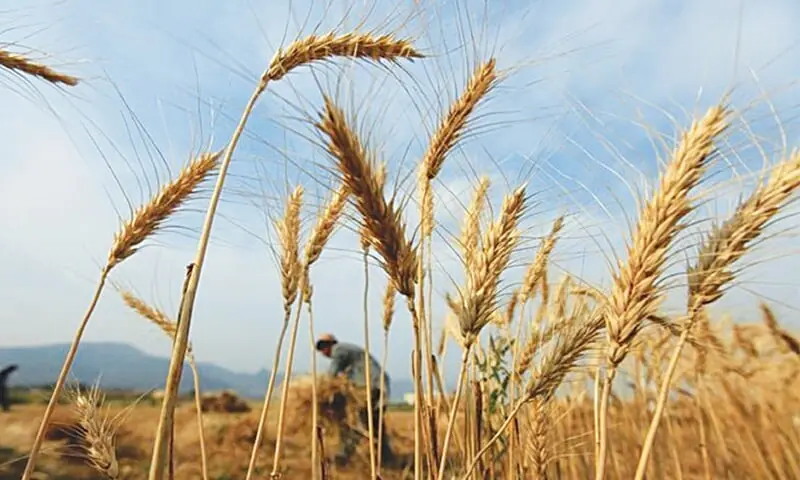
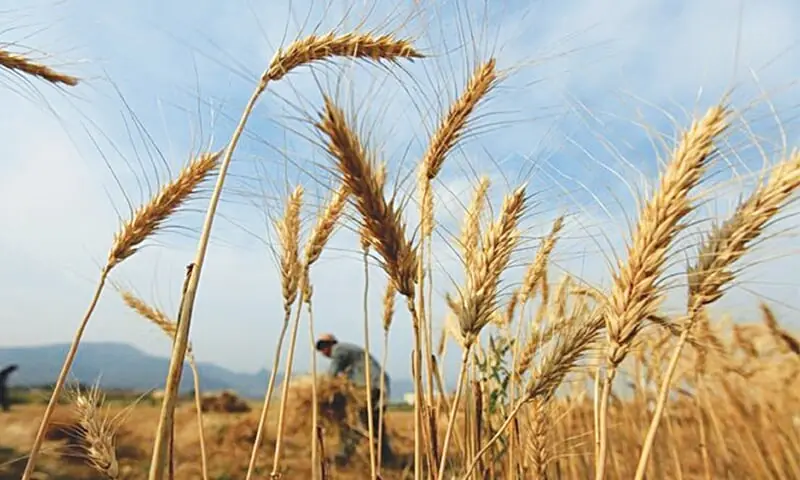
ISLAMABAD: The Ministry of National Food Security and Research claimed on Wednesday that the inter-provincial flow of wheat seed — particularly during the critical sowing window for Rabi season in Sindh and Balochistan — has now become uninterrupted and smooth, and provincial governments have expressed their satisfaction over the supply of wheat seed.
In a statement, the ministry said the timely and coordinated interventions led by secretary of National Food Security, Amir Mohyuddin, and the strict enforcement of Standard Operating Procedures (SOPs) by the provincial agricultural departments, the seed movement issue which erupted on October 29, has now been resolved amicably.
The ministry while receiving complaints regarding delays in inter-provincial movement of wheat seed and wheat flour, held two review meetings with provincial agricultural departments, price control and commodity management department of Punjab and the national seeds development and regulatory authority, and it was agreed that all provinces would follow and enforce SOPs for inter-provincial seed movement using verified convoy notes.
To streamline monitoring, the ministry has issued directives for immediate deployment of representatives from the Federal Seed Organisation (FSO), the Federal Seed Certification and Registration Department (FSC&RD), and relevant provincial departments at key exit and entry points to oversee verification and on-site issue resolution.
Punjab govt told to expedite seed dispatches to Balochistan, Sindh to meet critical sowing timelines
The Punjab government was specifically instructed to expedite seed dispatches to Balochistan and Sindh to meet critical sowing timelines and avoid production losses.
From Khyber Pakhtunkhwa, reports indicated a major bottleneck at Ramak check post, where around 100 seed trucks enroute from Punjab were stranded. Similar delays were also observed at other checkpoints along the inter-provincial borders, affecting timely delivery of certified wheat seed to farmers.
The Punjab government was specifically asked to coordinate for immediate clearance of over 100 stranded seed trucks at Ramak and adjacent checkpoints.
Taking immediate measures, the ministry directed KP food and agriculture departments to coordinate directly with their counterparts in Punjab to ensure instant clearance of all seed consignments upon verification of convoy notes. The Punjab government agreed to facilitate and expedite seed dispatches to meet Balochistan’s sowing requirements within the stipulated timeline.
Additionally, joint inspections to check hoarding and fake seed by FSC&RD and provincial teams continued, while flour movement nationwide was to be facilitated to ensure smooth supply and prevent artificial inflation of wheat and flour prices, the ministry statement said.
The Federal Seed Certification and Registration Department and National Seed Authority (NSA) cautioned that some fake seed consignments were being transported under the guise of wheat seed and flour shipments. The ministry took serious notice of this and instructed strict screening of all consignments to prevent counterfeit seed circulation.
It was decided to deploy focal persons at all key check posts to resolve verification issues on the spot. To facilitate uninterrupted transport, all trucks with valid documentation were to be cleared within 1 to 2 hours, while the consignments without the convoy notes to be returned to their origin for correction.
Each province was directed to submit daily data on wheat seed and flour movement to the federal ministry for centralised monitoring, while the ministry committed to issuing weekly progress reports and holding coordination meetings every week to track implementation.
Officials from Punjab, Balochistan, and Khyber Pakhtunkhwa acknowledged that despite significant progress, delays were still occurring at several inter-provincial check posts. These bottlenecks were primarily related to verification processes and incomplete documentation of seed consignments.
In Sindh, the seed requirement was estimated at 3.7 million metric tons, but only 19,800 metric tons had been moved by October 29. This disparity between demand and actual seed inflow was noted with concern, and Sindh authorities were asked to work closely with the seed providers and federal government agencies to close the gap.
The secretary of agriculture, Balochistan, reported a shortfall in certified seed supply against the province’s target of 500,000 hectares, requiring 50,000 bags per day. As of October 29, only 12,000 to13,000 bags were being received daily. This slow inflow risked delaying the sowing schedule in several districts and was flagged as a priority concern.
Published in Dawn, November 13th, 2025



