



• Investigation by Citizen Lab, Israeli press reveals use of fake avatars to bolster image of exiled Shah
• Operation leveraged AI deepfake videos, fabricated content, inauthentic news reports to destabilise the Iranian regime
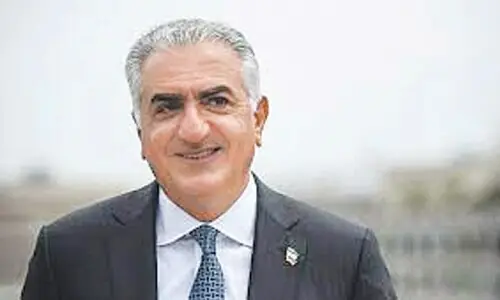
ISRAELI-funded online campaigns in the Persian language used fake social media personas and AI to boost the image of Reza Pahlavi, the son of Iran’s last Shah, and destabilise the Iranian regime, according to parallel investigations by Israeli newspapers and the University of Toronto’s Citizen Lab.
The campaigns, which employ “avatars” posing as Iranian citizens, were found to amplify calls for restoring the monarchy and were discovered to be synchronised with Israeli military actions, including airstrikes on Tehran’s Evin Prison.
A joint investigation by TheMarker and Haaretz revealed a large-scale digital campaign in Iran, operated out of Israel and funded by a private entity that receives Israeli government support.
According to sources with direct knowledge of the project, native Persian speakers were recruited to run fake accounts on platforms like X and Instagram, using AI tools to craft messages and generate content.
The findings add context to a high-profile visit by Pahlavi to Israel in early 2023, hosted by then-Intelligence Minister Gila Gamliel. During the visit, Pahlavi advocated for nonviolent change in Iran but stressed the need for outside help.
“None of these movements could have succeeded without some element of international support,” Mr Pahlavi said at a press conference, justifying his visit. When asked about the response to his visit, he told reporters to look at social media. “The answer is right before your eyes.”
The investigation found that the Israeli-based operation actively worked to boost Pahlavi’s public image, with some involved feeling pressured to also promote Gamliel, a minister from Prime Minister Benjamin Netanyahu’s Likud party.
Separately, researchers at the University of Toronto’s Citizen Lab uncovered another pro-Israel, Persian-language influence operation that they assess is very likely operated by the Israeli government or a contractor.
The lab’s report, “Prison Break”, identified a network of over 50 inauthentic accounts, many using AI-generated profile photos, that activated in early 2024. This network’s activity appeared coordinated with Israeli military operations.
During a strike on Evin Prison on June 23, the accounts began posting about “explosions in the prison area” at 11:52am., before initial media reports. Shortly after, the network disseminated a fake, AI-generated video of an explosion at the prison that was later picked up by international media.
“It is highly unlikely that any third party without advance knowledge of the IDF’s plans would have been able to prepare this content and post it in such a short window of time,” Citizen Lab stated in its report.
Following the strike, the network encouraged Iranians to march on the prison to “free family members” in an apparent attempt to incite unrest.
The campaigns also distributed other fabricated content, including a deepfake video of an Iranian singer and a fake screenshot of a BBC Persian report claiming senior Iranian officials were fleeing the country. BBC Persian confirmed the story was never published.
The efforts to promote Pahlavi are viewed with skepticism by some experts. Raz Zimmt of the Tel Aviv-based Institute for National Security Studies warned that while Iranians desire change, the restoration of the monarchy is not a popular demand.
Mr Pahlavi carries the legacy of his father, a dictator known for repression and corruption.
“I can understand why he’s convenient for Gamliel and the Israeli government … but I think it’s a mistake,” Zimmt said. “Ultimately, it reinforces Ayatollah Khamenei’s narrative that Israel and the U.S. want to turn Iran back into a monarchy and client state.”
The operations used sophisticated tactics, including creating an AI-generated video showing Netanyahu, Gamliel and Pahlavi walking through the streets of a “Free Tehran,” which received likely inorganic, massive exposure.
The network also co-opted authentic protest movements, using popular hashtags like “Death to Khamenei” to amplify their messaging with inauthentic accounts.
Alberto Fittarelli, who led the research at Citizen Lab, cautioned against such methods.
“While it is common for autocracies to deploy such tools and tactics both domestically and internationally, democratic governments should refrain from adopting the same methods,” Fittarelli said.
Traces of crossover between the two campaigns were found, with some accounts exposed by Citizen Lab also using the hashtag #KingRezaPahlavi and sharing Pahlavi’s speeches, linking the military-synchronised operation to the broader effort to promote the would-be monarch.
Published in Dawn, October 4th, 2025



